
What is assisted living?
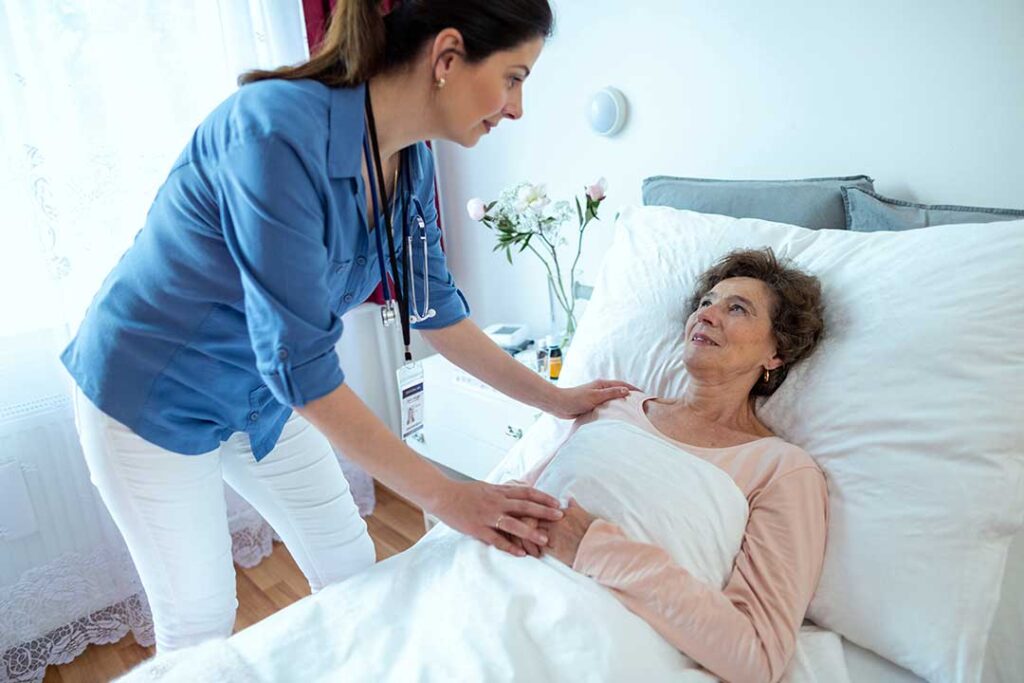
Assisted living is a residential setting for adults who need help with some everyday activities but do not require the continuous medical care provided in a nursing facility. Residents generally have a private or shared living space, meals, housekeeping, supervision, social opportunities, and assistance based on an individual assessment.
In Pennsylvania, assisted living residences are designed to help people maintain as much independence and personal choice as possible while receiving support. Typical assistance may include bathing, dressing, toileting, walking, transferring, personal hygiene, medication management, and arranging health care. ([pa.gov](https://www.pa.gov/agencies/dhs/resources/aging-physical-disabilities/personal-care-homes?utm_source=openai))
The term “assisted living” can describe different types of residences. In Pennsylvania, some settings are licensed as assisted living residences, while others are licensed as personal care homes. Both provide residential support, but assisted living residences may serve people with higher care needs who still do not require 24-hour skilled nursing. ([pa.gov](https://www.pa.gov/agencies/dhs/resources/aging-physical-disabilities/personal-care-homes?utm_source=openai))
Who may benefit from assisted living?
Assisted living may be appropriate when living alone has become difficult or unsafe, but a nursing home is not medically necessary. Common signs include:
- Frequent falls or difficulty moving safely
- Trouble bathing, dressing, or using the bathroom
- Missed medications or confusion about prescriptions
- Poor nutrition or difficulty preparing meals
- Loneliness, isolation, or reduced daily activity
- Increasing difficulty maintaining a home
- Family members being unable to provide consistent supervision
- Concern about emergencies occurring when no one is nearby
The decision does not have to wait until a crisis occurs. For many households in Sunbury, planning earlier allows the older adult to participate in decisions about location, room setup, routines, meals, activities, and personal care.
A needs assessment should consider both current abilities and likely changes over time. Someone who needs help only with meals and transportation may have different options from someone who needs regular help with transfers, continence, or medication administration.
What services are usually included?
Services vary by residence and by the resident’s assessment. Common offerings include:
- Assistance with bathing, grooming, dressing, and toileting
- Medication reminders or medication administration
- Meals and snacks
- Housekeeping and laundry
- Mobility assistance
- Transportation arrangements
- Scheduled activities and social programs
- Help arranging medical appointments
- Supervision and emergency response procedures
- Supplemental health services arranged through outside providers when allowed
A residence should provide a clear description of its services. Families should compare the written description with the actual care needed, especially if the resident has dementia, mobility limitations, diabetes, oxygen needs, or a history of falls. Pennsylvania requires assessment and support planning for residents in assisted living residences and personal care homes. ([pa.gov](https://www.pa.gov/agencies/dhs/resources/licensing/pch-alr-licensing/pch-alr-compliance-forms?utm_source=openai))
Assisted living is not the same as having a nurse available for every medical need. Staff may help with routine care, but residents who require intensive medical treatment, complex wound care, frequent skilled nursing, or continuous medical monitoring may need a different setting.
How is assisted living different from other care options?
Independent living is generally intended for adults who can manage personal care independently and mainly want housing, meals, maintenance, or social activities.
Home care allows a person to remain in their own home while receiving scheduled assistance. This may work well when needs are limited or when the home remains safe and manageable.
Personal care homes provide residential supervision and help with daily activities. They may be smaller or larger and can serve older adults or adults with physical, cognitive, or behavioral health needs.
Assisted living residences provide personal care services while emphasizing independence, decision-making, and the ability to age in place. They may accommodate higher care needs than a personal care home, although each residence has its own limits.
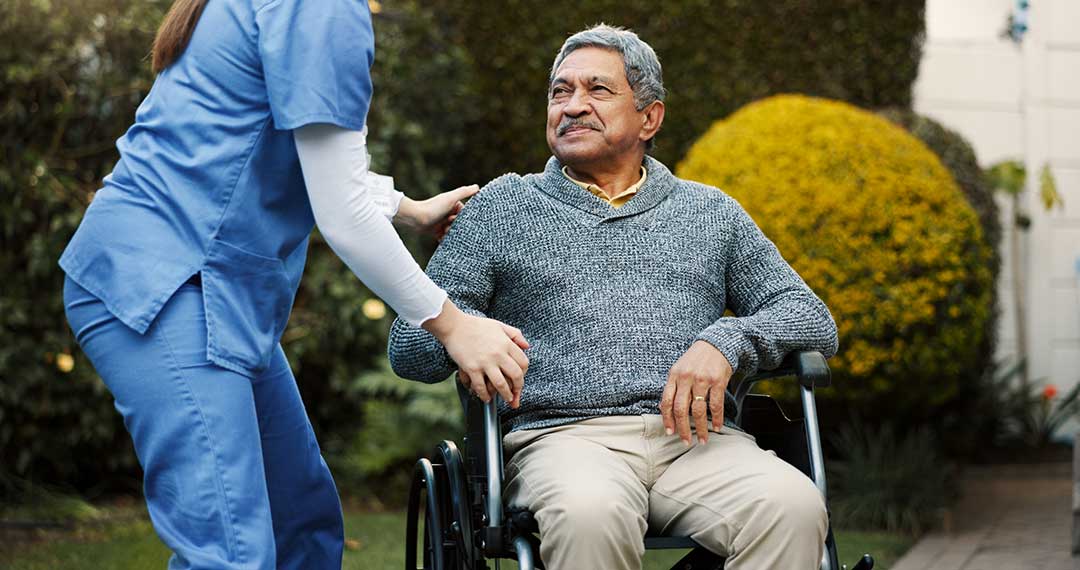
Skilled nursing facilities provide a higher level of medical and personal care, including 24-hour access to nursing services. They are intended for people with substantial medical, rehabilitation, or supervision needs. ([pa.gov](https://www.pa.gov/agencies/aging/pa-carekit/caregiving-resources/long-term-services-and-support-options?utm_source=openai))
The right setting depends on the person’s health, safety, preferences, finances, and expected future needs—not simply age.
How are assisted living residences regulated in Pennsylvania?
Pennsylvania’s Department of Human Services licenses and inspects assisted living residences and personal care homes. The regulations address areas such as fire safety, staff training, nutrition, resident health care, personal care, physical conditions, and resident well-being. Inspections occur annually, and complaints or unusual incidents may lead to additional investigations. ([pa.gov](https://www.pa.gov/agencies/dhs/resources/aging-physical-disabilities/personal-care-homes?utm_source=openai))
Before considering a residence, verify that it is licensed and ask about its inspection history. A license does not guarantee that every setting will be a good personal fit, but it confirms that the residence is subject to state requirements.
Residents also have rights related to dignity, privacy, personal choice, participation in care planning, visitors, and complaint procedures. Families should ask how concerns are documented, who receives complaints, and how residents or representatives can request assistance.
What does assisted living cost, and does insurance pay?
Assisted living is usually paid privately. Pennsylvania states that assisted living facilities are generally paid completely out of pocket, and personal care homes and assisted living residences typically are not covered by Medicaid in the same way as nursing facility care. Some residents may receive separate home- and community-based services, depending on eligibility and the program involved. ([pa.gov](https://www.pa.gov/agencies/dhs/resources/aging-physical-disabilities/personal-care-homes?utm_source=openai))
Costs commonly include a base monthly fee plus charges for additional care, medication management, transportation, special diets, incontinence supplies, or higher levels of supervision. A written contract should explain:
- What is included in the monthly rate
- How care levels are determined
- Which services cost extra
- How often fees may increase
- What happens after hospitalization
- Rules for refunds, transfers, and termination
- Whether a deposit or entrance fee is required
Medicare generally does not pay for ongoing assisted living room, board, and routine personal care. Families should review income, savings, pensions, long-term care insurance, veterans’ benefits if applicable, and available public programs before making financial assumptions.
What should families look for during a visit?
Visit more than once and, when possible, at different times of day. A setting can feel very different during a quiet afternoon compared with a busy meal period or evening shift.
Pay attention to whether staff speak respectfully to residents, whether residents appear clean and engaged, and whether hallways, bathrooms, entrances, and outdoor areas appear safe. Ask direct questions about staffing, turnover, overnight coverage, emergency response, falls, medication errors, hospital transfers, and care limits.
For households in Sunbury, seasonal conditions also deserve attention. Ask how the residence handles winter weather, snow and ice, heating interruptions, transportation delays, power outages, and emergency communication with families. A practical plan matters in a community where weather can affect travel and family visits.
Finally, include the prospective resident in the process whenever possible. Assisted living is not only a care decision; it is also a decision about home, routine, privacy, relationships, and personal control.
